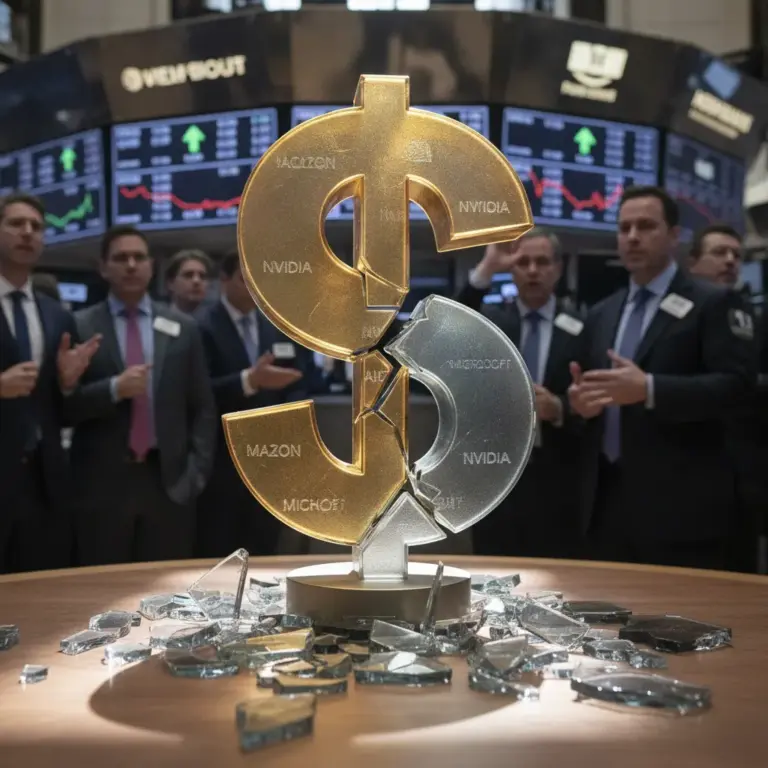

It has been nearly a year since the digital asset world witnessed one of its most brutal corrections, a sudden plunge that wiped out nineteen billion dollars in liquidations in a matter of minutes. On October 10, 2025, Bitcoin plummeted from roughly 122,000 dollars to 105,000 dollars, shattering the optimism of traders who believed the climb toward unprecedented heights was inevitable. While the immediate shock has faded, industry analysts are sounding alarms that the structural vulnerabilities which fueled that collapse remain firmly embedded in the market.
The primary culprit remains the dangerous allure of leverage. According to Mark Connors of Risk Dimensions, the crash was not driven by actual demand for the coin but by derivatives and paper Bitcoin. Traders had piled into bullish positions based on a rigid belief in Bitcoin’s traditional four-year cycle, expecting prices to soar toward several hundred thousand dollars. When the tide turned, these crowded bets created a domino effect of forced liquidations. Even a year later, perpetual futures continue to dominate short-term price action, and exchanges maintain strong incentives to promote these high-risk products.
Despite these lingering threats, some experts suggest that traders are entering this next phase with better eyes. Chris Sullivan of Hyperion Decimus notes that there is now significantly better data available regarding open interest and funding rates, allowing savvy investors to spot when the market is leaning too far in one direction. His advice for survival is simple yet disciplined: avoid leverage entirely and move assets into self-custody rather than trusting them to trading platforms. By removing coins from exchanges, long-term holders can insulate themselves from the chaos of derivative-driven flash crashes.
Perhaps the most lasting scar from last October is the realization that old rules no longer apply reliably. The faith in a predictable four-year halving cycle has been shaken, with many admitting they were caught offside by shifting economic and political pressures. While institutional adoption has grown, it has not yet displaced the volatile influence of speculative betting. As Connors puts it, while the market bent without breaking during its worst hour, another October 10th is always possible so long as leveraged products define how people trade.